Embedded vs Referenced
Modeling Relationships in MongoDB
Section titled “Modeling Relationships in MongoDB”Unlike SQL’s strict relational tables, MongoDB gives us the flexibility to format data around how our application will actually read it. MongoDB lets us model relationships in two main ways: Embedded and Referenced.
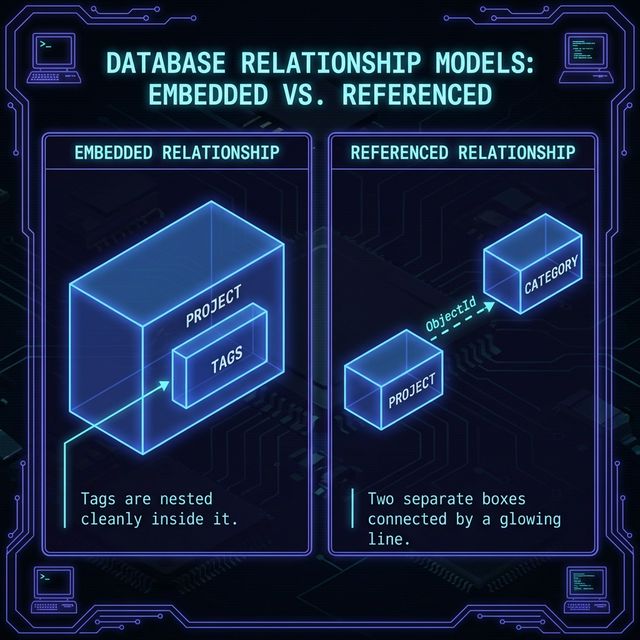
Fig 1: Embedded vs. Referenced Architecture
Embedded (Subdocuments)
Section titled “Embedded (Subdocuments)”Embedded data means storing the related data inside the parent document.
- The Pros: Reads are blazing fast because it only takes one query to get the parent and all related child details.
- The Cons: Updates can be difficult (modifying nested arrays) and data replication (if sub-data is reused) can cause inconsistency.
Referenced (ObjectId)
Section titled “Referenced (ObjectId)”Referenced data means storing the related data in its own separate collection, while the parent document simply stores an ObjectId (a reference) to it.
- The Philosophy: “The related thing has its own life outside of the parent.”
- The Pros: Highly reusable. You can update the referenced document once and every parent that references it gets the updated context automatically.
- The Cons: Requires multiple queries to retrieve the parent and the details of the referenced child.
For our portfolio project, we will combine both strategies: * Categories will be Referenced (reusable, cleanly populated). * Tags and Screenshots will be Embedded (simplifies data models, fast reads).
The Architect’s Cheat Sheet
Section titled “The Architect’s Cheat Sheet”| Factor | Embedded | Referenced |
|---|---|---|
| Location | Inside Parent Doc (Subdocuments/Arrays) | Independent Collection (Mapped via ObjectId) |
| Best For | Metadata that only matters inside its parent. E-commerce order receipts, blog post tags. | Generalized concepts used widely across the app. Categories, Authors, Users. |
| Speed | ⚡ Extremely Fast execution. Returns instantly with parent search. | ⏳ Moderate. Requires .populate() queries to append data. |
| Modifications | Difficult to normalize. Needs complex array modifications if changing data identically across all docs. | Easy to normalize. Updates one item independently and it updates everywhere simultaneously. |
Extra Bits & Bytes
Section titled “Extra Bits & Bytes”MongoDB Schema Design: Relationships
📘 Embedded vs Referenced Data Infographic (PNG)
⏭ Next: Embedded Tags
Section titled “⏭ Next: Embedded Tags”Let’s look at a simpler, more performant approach for lightweight metadata: “Tags”.